



A case study from NORCE demonstrating in situ hydrogen monitoring under sterile, pilot-scale bioprocess conditions
Introduction
Hydrogen-based fermentation is gaining increasing attention as part of the development of the corresponding technology and the interest in hydrogen utilization. During gas-based fermentation, microbial cultures consume gaseous feeds and produce beneficial products, such as chemicals, organic solvents, or fuel.
The gaseous feed often consists of H2, CO2, or CH4 and to obtain optimal bioprocess monitoring, the feed gas concentrations need to be measured. Despite this importance, reliable in situ monitoring of dissolved hydrogen in closed, sterile bioreactors remains challenging, particularly under industrially relevant conditions.
A major limitation of commercially available hydrogen sensors is their limited tolerance to elevated temperatures during in situ sterilization, typically performed at 121°C.
The Industrial Biotechnology Group at NORCE Norwegian Research Centre contacted Unisense with the request of a dissolved hydrogen sensor suitable for bioprocess monitoring in a pilot-scale gas fermentation setup. While Unisense hydrogen sensors are specialized for operation up to 60°C, a collaborative solution was developed that enabled in situ sterilization without compromising the sensor performance.

Sensor design and setup
To enable integration of a hydrogen sensor in a fermenter with in situ sterilization, a retractable sensor concept was selected. NORCE provided a commercially available retractable sensor housing from Mettler-Toledo International Inc. This setup would allow the sensor to be withdrawn from the reactor during sterilization and reinserted under sterile conditions once operating temperatures were reached.
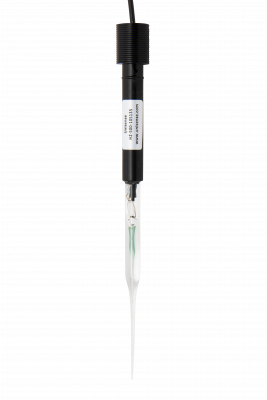
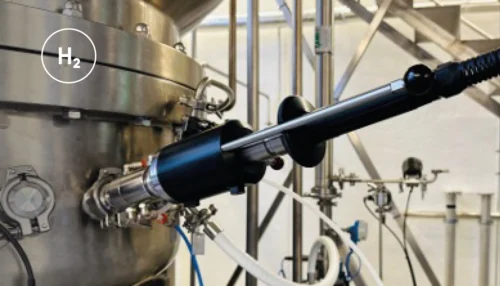
Based on the mechanical constraints of the retractable housing, Unisense designed and manufactured a hydrogen sensor with a 12 mm outer diameter stainless steel shaft and a PG13.5 thread, thereby providing mechanical robustness while matching the retractable housing dimensions (Figure 1). With this design, the sensor would be able to withstand operating temperatures of 60°C with 10 bar(g) pure hydrogen and sterilization at 121°C.

Results and conclusion
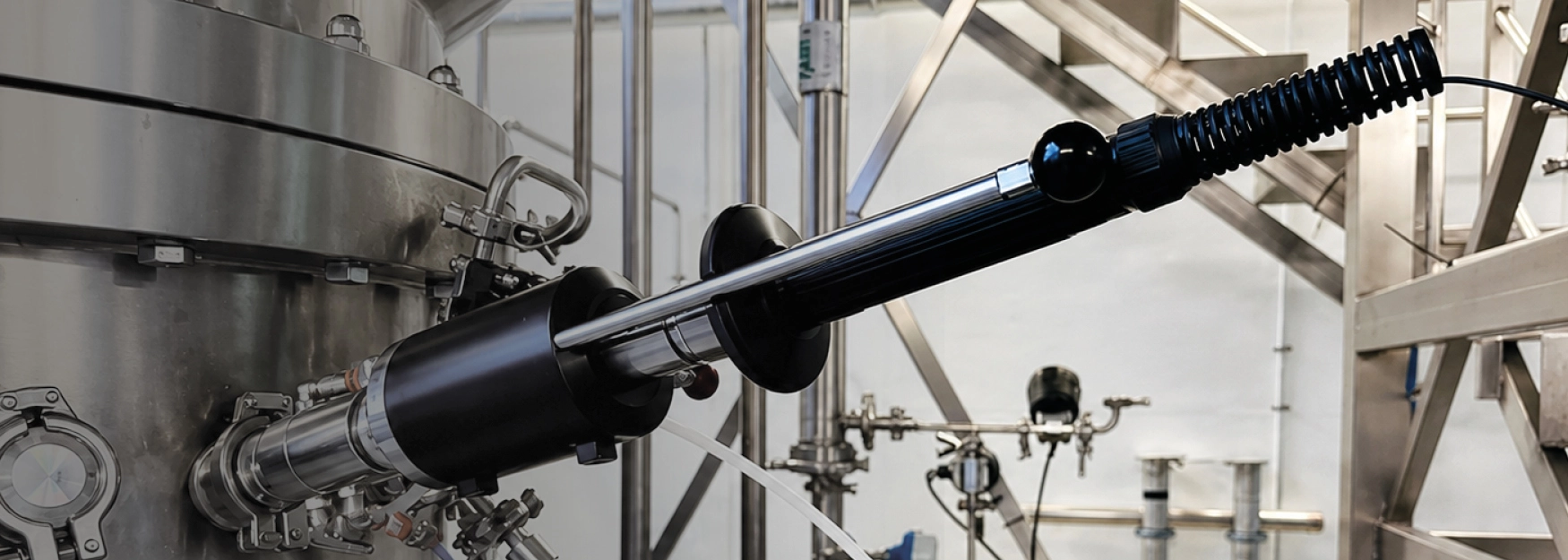
The retractable hydrogen sensor was installed in a 150 L pilot-scale bioreactor at NORCE and integrated with the bioprocess control system (Figure 2). Initial tests were conducted in water, followed by operation under pressurized hydrogen conditions. The sensor showed stable and linear response to increasing hydrogen levels (Figure 3) with no leakage observed.
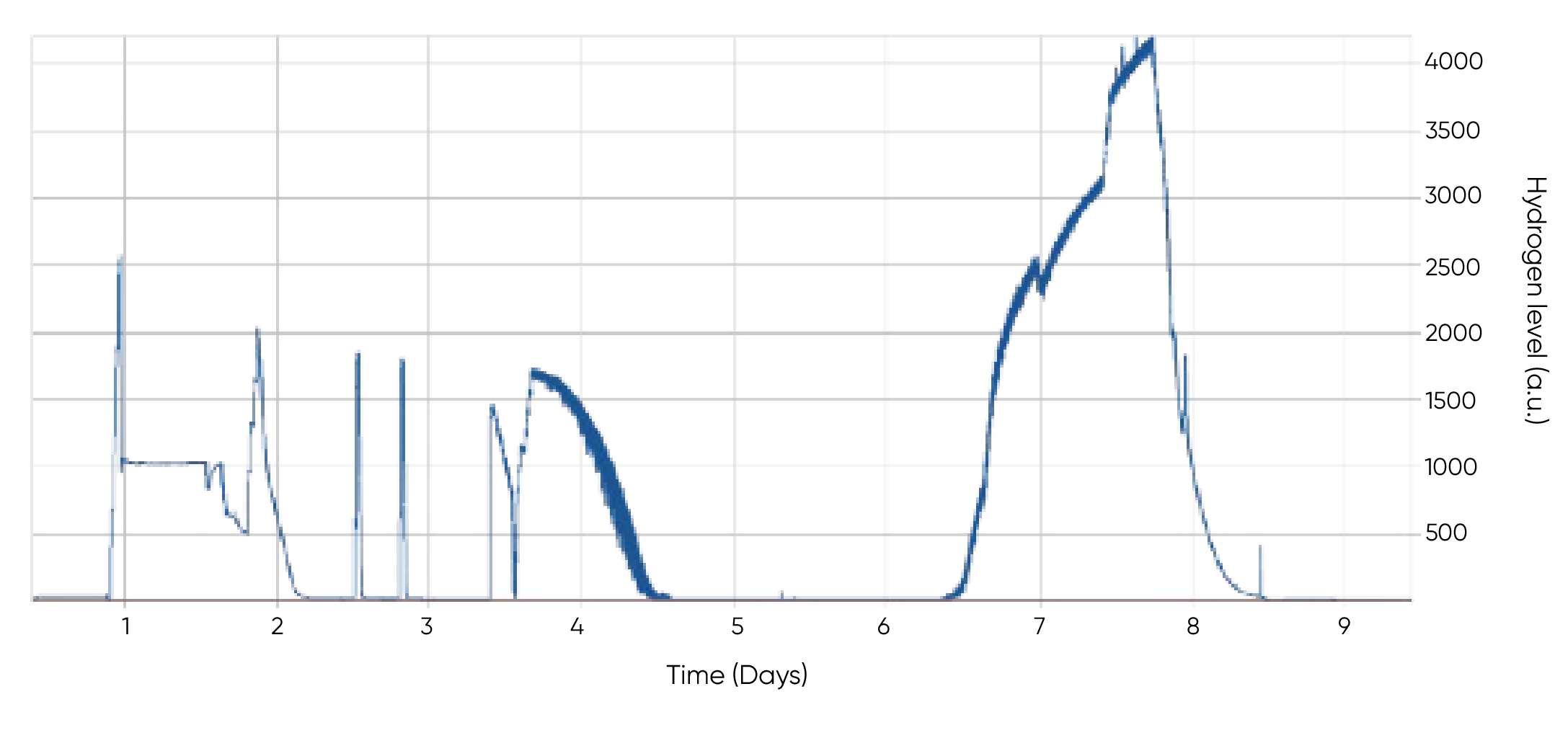
Subsequently, the sensor was used for continuous hydrogen monitoring during an active hydrogen gas fermentation process at 60°C. Reliable sensor signals were obtained during more than a week of operation, which demonstrates how the hydrogen sensor performs reliably under real bioprocess conditions (Figure 4).

This case demonstrates how a retractable sensor concept can overcome temperature limitations associated with in situ sterilization, while monitoring hydrogen levels in fermentation processes. Following the development of this sensor customization, the 12 mm stainless steel hydrogen sensor with PG13.5 thread has since become a standard Unisense product and it has been used in multiple process monitoring setups.

A case study from NORCE demonstrating in situ hydrogen monitoring under sterile, pilot-scale bioprocess conditions
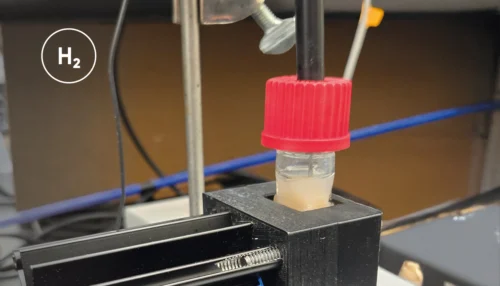
Beckedorf et al. used lignocellulosic biomass and cobalt-loaded carbon nitride to boost photocatalytic hydrogen production
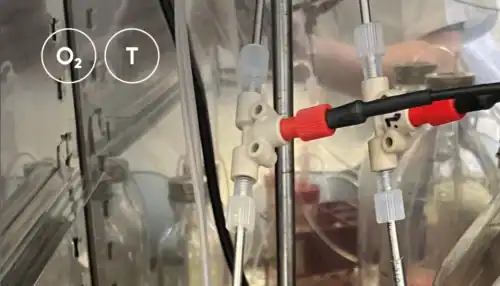
Bang et al. developed a dual flow chamber that mimics the shear stress and anaerobic conditions of the colon
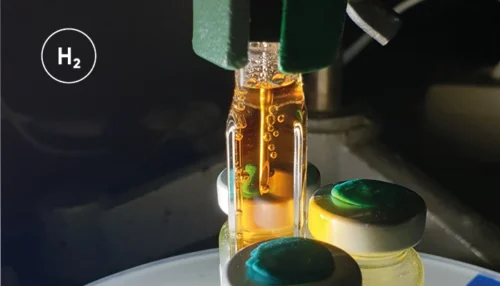
Quantifying the Hydrogen Evolution Reaction using H2 Sensors
Real-time measurements of oxygen consumption rates in response to 2-deoxy-D-glucose treatment
pH Microelectrode reveals distinct environment inside 3D organoid
Tissue oxygen partial pressure for screening and controlling for variation in ex vivo acute brain slice viability
How nitrifying microorganisms are able to produce nitrous oxide through denitrification
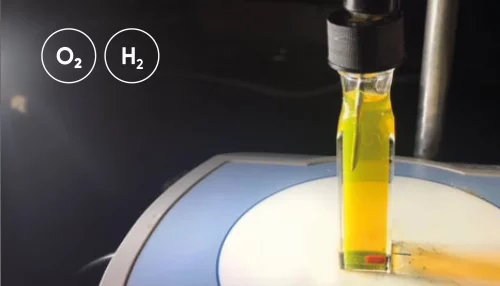
Hydrogen and oxygen microsensors for direct and real-time detection of dissolved gas in photocatalytic/electrochemical studies
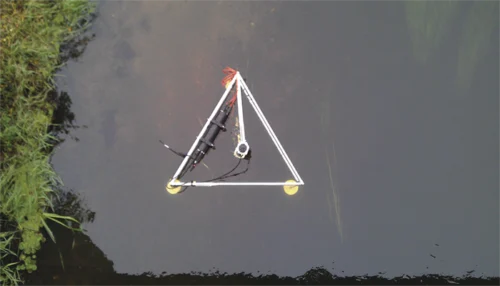
The Eddy Covariance system and how to get high quality data from long term deployments with multiple sensors.
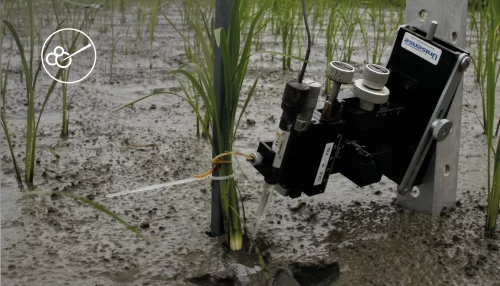
Learn in the laboratory - explore and confirm in the field!
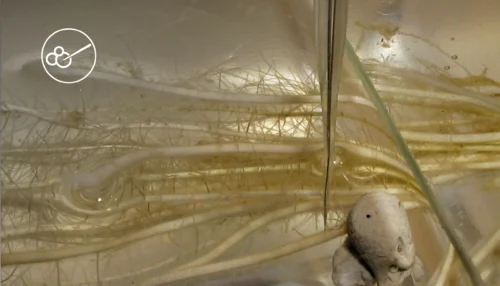
Leaf gas films are hypothesized to improve internal aeration of the plant during the day
How to quantify the consumption rate of oxygen as well as the oxygen exchange rate across the water - sediment interface
Mitigation of N2O Emissions from Wastewater Biofilms
The use of oxygen microelectrodes to study nitritation biofilms with different geometries
